Free Compassion Questionnaire for Relationships: Understand Your Impact

Discover how your compassion influences your relationships with our free compassion questionnaire for relationships. This tool allows you to invite partners, friends, or family members to respond to the same questions about you, providing a broader perspective on your compassionate communication skills.

You will receive a detailed report featuring clear charts that illustrate your compassion in relationships. Compare your results to average scores to identify your standing and areas for development. Personalized feedback based on your scores clarifies what your results indicate for your relationships. Additionally, you gain access to a free action plan and a resource library created by users. You may also choose to share your results for additional support. Begin enhancing your compassion skills in relationships today.

Explore Your Compassion Skills in Relationships

Please rotate your device to display the content

Humanity questionnaire

1. Answer Questions

for yourself

2. Invite others (optional)

to answer the same questions

3. Compare your results

in your personal report

Do you show genuine curiosity when trying to understand others?

I never do that

I always do that

Being curious means you're really interested in understanding others.

Do you focus on finding common ground when interacting with others?

I never do that

I always do that

Focusing on similarities means paying attention to what you have in common.

Do you share your own experiences in conversations with other people?

I never do that

I always do that

Sharing experiences means sharing relatable personal stories in conversations to foster a deeper connection.

Do you put yourself in the situations of others?

I never do that

I always do that

Putting yourself in someone else's situation means imagining yourself in their circumstances and trying to understand their feelings and experiences from their perspective.

Do you connect with your own feelings as a way to better understand the feelings of others?

I never do that

I always do that

Connecting with your feelings means you feel your emotions in relation to someone else's experiences.

Are you attentive and fully engaged when others are speaking to you?

I never do that

I always do that

Paying attention means actively focusing and listening to someone, showing interest and understanding in what they're saying.

Do you avoid interrupting others when they are speaking, allowing them to express themselves fully?

I never do that

I always do that

Not interrupting means holding back from saying something while someone else is talking, so they can finish their story.

Do you ask questions to clarify and better understand what others are saying during conversations?

I never do that

I always do that

Asking questions means getting information and seeking clarification from someone.

Do you show that you are actively listening by using nonverbal cues and responses such as nodding and maintaining eye contact during conversations?

I never do that

I always do that

Showing that you're listening means that through your body language, verbal cues, and responses, you demonstrate that you're fully engaged and attentive during a conversation.

Do you postpone drawing conclusions until you have gathered all relevant information?

I never do that

I always do that

Postponing conclusions means you hold back from making assumptions or forming judgments about someone until that person has fully expressed themselves.

Do you avoid imposing your opinions or solutions on others during conversations, allowing them space to express their views?

I never do that

I always do that

Pushing your opinion or solutions refers to forcefully imposing your own views on someone else.

Do you recognize and interpret facial expressions to understand the emotions and sentiments of others?

I never do that

I always do that

Recognizing facial expressions means you're able to interpret the emotions conveyed by someone's facial movements.

Do you understand the meaning of various nonverbal gestures?

I never do that

I always do that

The meaning of gestures refers to understanding the non-verbal communication expressed through body language.

Do you read and interpret someone's posture accurately?

I never do that

I always do that

Reading someone's posture refers to the ability to interpret and understand the non-verbal signals conveyed by the position and alignment of someone's body.

Do you understand tonality in communication, recognizing nuances conveyed through variations in speech?

I never do that

I always do that

Getting tonality means you're able to interpret the subtle variations in someone's voice tone and pitch to understand their emotions.

Do you maintain good eye contact during conversations?

I never do that

I always do that

Keeping good eye contact means looking someone in the eyes without making it awkward.

Do you demonstrate respect towards others in your relationships?

I never do that

I always do that

Respect for others means treating someone with kindness and acknowledging their worth and boundaries.

Do you communicate openly with others in order to build strong relationships?

I never do that

I always do that

Openly communicating means expressing thoughts, feelings, and concerns honestly and transparently.

Do you strive for equality in your relationships?

I never do that

I always do that

Striving for equality in relationships means making sure power dynamics are balanced.

Do you frequently initiate and maintain connections with others?

I never do that

I always do that

Often connecting means regularly reaching out and communicating with someone to strengthen and maintain the relationship.

Do you bring value to your relationships?

I never do that

I always do that

Exchange value means that the people in the relationship have something valuable to offer each other.

Do you recognize your own biases?

I never do that

I always do that

Recognizing your own biases means you're aware of your preconceived ideas and prejudices.

Do you make intentional choices that align with your values and goals?

I never do that

I always do that

Making conscious choices means you decide how you want to think, feel, and act.

Do you seek out criticism from others to improve your self-awareness?

I never do that

I always do that

Seeking criticism means actively looking for feedback to get a better understanding of yourself.

Do you know your strengths and weaknesses?

I never do that

I always do that

Knowing your strengths and weaknesses means you have a clear picture of your positive traits and areas for improvement.

Do you consider alternative viewpoints?

I never do that

I always do that

Keeping an open mind means being willing to consider different perspectives to discover blind spots.

Do you address conflicts?

I never do that

I always do that

Handling conflicts means actively participating in disputes.

Do you clarify issues and concerns when conflicts arise?

I never do that

I always do that

Clarifying problems in conflicts means understanding the issue and talking about it until everyone agrees on what the problem is.

Do you avoid assigning blame or pointing fingers?

I never do that

I always do that

Avoiding blame in conflict resolution means you refrain from assigning blame.

Do you remain calm and composed when conflicts escalate?

I never do that

I always do that

Staying calm during conflicts means taking on a calm and controlled attitude to effectively tackle and resolve conflicts.

Do you involve all relevant parties when addressing conflicts?

I never do that

I always do that

Involving relevant parties means making sure that all individuals or groups affected by the conflict are included in the resolution process, so everyone has a voice and can contribute to finding a solution.

Do you actively participate in identifying solutions to conflicts?

I never do that

I always do that

Identifying solutions for conflicts means finding a solution that ideally can be accepted by everyone involved in the conflict.

Do you pay attention to your thoughts, feelings, and sensations in the present moment?

I never do that

I always do that

Paying attention means you consciously focus on what's happening right now.

Do you practice living in the present moment?

I never do that

I always do that

Living in the moment means being fully aware without wasting mental energy on the past or the future.

Do you practice acceptance in your daily life, embracing both positive and negative experiences without judgment or resistance?

I never do that

I always do that

Practicing acceptance means embracing the present moment without resistance.

Do you silence your mind during routine activities?

I never do that

I always do that

Calming your mind means stopping the constant flow of thoughts.

Do you observe your thoughts without labeling them?

I never do that

I always do that

Watching your thoughts means being aware of the thoughts that come up without getting attached to them.

Do you learn about different cultures?

I never do that

I always do that

Discovering different cultures means learning about diverse cultures to develop a broader understanding of different cultural perspectives.

Do you appreciate and value diversity?

I never do that

I always do that

Appreciating diversity means recognizing and valuing the differences in cultural backgrounds.

Do you navigate cultural differences effectively?

I never do that

I always do that

Dealing with cultural differences means adapting to the customs, beliefs, and behaviors of people from different cultures to communicate effectively with them.

Do you respect individuals from different cultural backgrounds?

I never do that

I always do that

Showing respect in the context of cultural awareness means treating someone from another culture with dignity, understanding, and appreciation for their beliefs, customs, and values.

Please provide your details to receive the link to your report:

  
Receive notification when your results have been updated

Your information will only be used for this questionnaire and will never be shared with others.

Compassion Questionnaires for other areas:

SkillsBuilders offers unmatched tools for personal growth

The Only Platform with Built-in Social Feedback

We offer direct, social input from friends, family, and colleagues to enrich your personal growth journey.


The Largest Collection of Soft Skills Questionnaires

With over 600 publicly available questionnaires, we provide one of the most extensive free libraries for personal growth.

The Most Extensive Set of Tools for Improvement

From action plans to resources and AI coaching, we provide an all-in-one toolkit to guide your continuous development.

What Will You Learn About Your Compassion Blind Spots?

Start the free questionnaire now

Questionnaire Objectives

This questionnaire covers these topics

Empathy

Genuine compassion for others to establish a deep understanding and connection

Active listening

Giving undivided attention using non-verbal signals and asking clarifying questions

Body Language

Getting Non-Verbal Communication

Relationship building

Establish and nurture meaningful connections

Self-awareness

Recognizing your own beliefs and values

Conflict resolution

Finding and implementing win-win solutions

Mindfulness

A practice that cultivates present-moment awareness and non-judgmental attention

Cultural Awareness

Explore different cultures values and beliefs to develop a deeper understanding and appreciation for diversity

How Can Personalized Insights Inform Your Relationships?

Access your free personal report

How Skills Builders Supports Your Compassion Skills

Many individuals assess their compassion in relationships solely from their own viewpoint. This self-perception bias can obscure true strengths and areas needing attention. Without candid feedback from trusted others, you may overestimate your abilities or miss important growth opportunities, which can result in misunderstandings and conflict.

Relying only on your perspective risks repeating unhelpful patterns and limits growth. You might believe you are attentive or supportive, while others perceive differently. This discrepancy can cause frustration and disconnection. Compassion is essential in relationships; without it, trust and harmony are difficult to establish.

Skills Builders introduces external perspectives by enabling you to invite trusted individuals to provide honest feedback. This comprehensive view reveals your compassion skills in relationships and offers clear, actionable steps for improvement. Our tools support the development of compassion skills that strengthen connections and foster more satisfying relationships. Begin your progress with reliable feedback and practical resources.

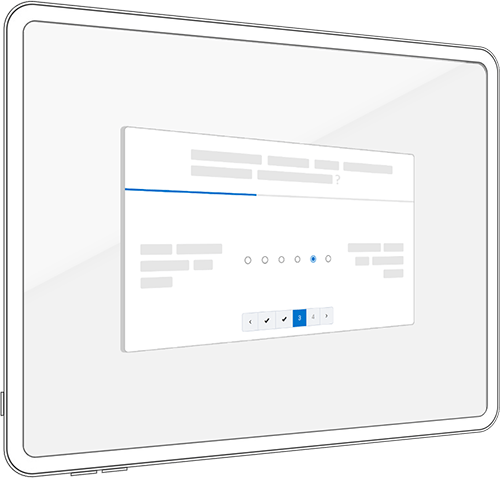
Question preview
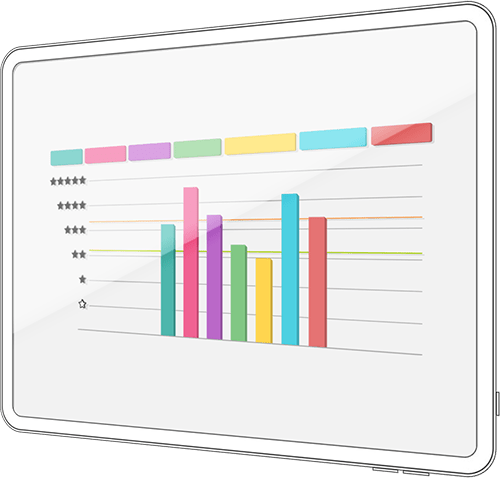
Results preview

This is what you get:

No Payment Required

You can have that extra drink with our free questionnaires and report

Detailed Report

Anyone can grow with an easy to read detailed report

Comprehensive Charts

See yourself as others do with comprehensive charts and graphs

Results Comparison

Discover that you are not alone by comparing your results to others

Optional public results

Share your journey by sharing your results

Know your next step

Get the relations you want with an adaptive action plan

Shared Resources

Become someone others look up to with recommendations based on your results

Recommendations

Curated paid resources to invest in your growth wisely

AI Coaching

AI support to get the most out of your report

Invite Others

Do it together: invite others directly from you results page

Personalized Feedback

Know how you can make friends with personalized feedback

Cheers

Get encouragement from your social circle

Real Insights

Get to know yourself better with input from those who know you

Get notified

Go meet up with your friends we will notify you when your report is updated

Secure Data

Peace of mind, because your data is safe with us

Gain In-Depth Insights into Your Compassion Skills

Explore Compassion’s Role in Your Relationships

Your free compassion questionnaire report presents a clear visual summary of your strengths and areas for growth. The straightforward charts help identify patterns in your compassionate communication, enabling focused efforts to enhance your relationships.

Comparing your results with others provides additional context, showing how your compassion in relationships compares to average levels. With regular updates and secure data management, your information remains private and centered on your development. Use these insights to cultivate stronger, more empathetic relationships.


How Might Comparing Your Compassion Skills Affect Your Connections?

Compare your skills now

Enhance Your Compassion Skills Through Social Feedback

Engage Others for Broader Perspectives

Receiving feedback from trusted individuals is valuable for developing compassion skills. Their honest perspectives help identify blind spots and recognize strengths you may not notice. This external input is important for improving compassionate listening and deepening your compassion in relationships.

Sharing your results can encourage support from your network, which may increase motivation to continue developing compassion skills. These social features foster a supportive environment, facilitating the practice of compassion in relationships and promoting more meaningful connections.


What Perspectives on Your Compassion Could Change Your Relationships?

See how others perceive you

Meet AidOn: Your Assisted Insight for Development & Ongoing Navigation (Beta)

AidOn is your Assisted Insight for Development & Ongoing Navigation, available to help you interpret your results. Ask questions about your report, explore personalized information, and interact with AidOn to better understand your compassion skills.

AidOn provides immediate, personalized interpretation based on your compassion questionnaire results. It supports understanding your unique profile and offers practical information related to compassionate communication in everyday situations. Whether addressing conflicts, building trust, or enhancing connection, AidOn provides context tailored to your profile.

Interacting with AidOn offers ongoing assistance to explore your results and consider next steps. This support facilitates translating insights into understanding, helping you engage more effectively in your relationships. Use AidOn to maintain focus and deepen your compassion skills.

Aidan is an AI that's still learning and evolving. While it’s designed to assist you, it may occasionally generate unexpected, unhelpful, or even incorrect responses. We appreciate your understanding as we continue to improve its performance. Please note that we cannot be held responsible for any consequences resulting from Aidan's output, and we recommend exercising your own judgment when acting on the information provided.

How Could Strengthening Compassion Influence Your Connections?

Access AI-supported interpretation now

The Importance of Compassion Skills in Relationships

Contribute to a more compassionate world, one relationship at a time.

The Importance of Compassion Skills in Relationships

Compassion is fundamental to strong relationships. Practicing empathy and understanding fosters trust, respect, and genuine connection. Many people find it challenging to recognize how their behavior affects others, which can hinder the development of desired relationships. Developing compassion skills can help break unproductive patterns and open opportunities for greater harmony and satisfaction.

At Skills Builders, we view compassion in relationships as a skill that can be cultivated. Whether aiming to improve bonds with partners, family, or friends, learning to see yourself through others’ perspectives is essential. Our tools assist in identifying strengths, addressing blind spots, and supporting lasting positive change in relationships.

Our Mission

We aim to enable individuals to take ownership of their personal development. By providing accessible, free tools, we help users understand their current compassion skills and identify areas for growth. Our goal is to support confidence and informed progress toward more fulfilling relationships.

Our Vision

We envision a future where everyone has the opportunity to build meaningful connections. Growth in compassion skills can contribute to stronger families, improved friendships, and supportive communities. Emphasizing compassion in relationships may encourage broader kindness and understanding beyond our platform.

What Distinguishes Us?

Skills Builders centers the user in their development process. Our unique questionnaire invites feedback from trusted individuals, providing a comprehensive view of compassionate communication skills. This method reveals both strengths and areas for improvement, facilitating measurable progress. We offer a detailed report, personalized feedback, and a resource library created by users to support ongoing development.

We prioritize privacy and trust, never sharing or selling user data. Users control access to their results. Our platform is designed for accessibility and equality, ensuring broad benefit. Additionally, we incorporate AI-based interpretation to provide immediate, practical information when needed.

Our community supports users throughout their journey by sharing resources, encouragement, and compassion-related information. The impact of compassion skills becomes evident through positive changes in users’ lives and their relationships.

How Our Questionnaire Supports You

Our compassion questionnaire offers an objective view of your relationship skills by combining self-assessment with feedback from others. This balanced perspective helps set realistic goals, monitor progress, and recognize achievements. With action plans and personalized information, you can identify appropriate next steps. Whether seeking compassion-related information or aiming to enhance connection, our tools provide support.

Skills Builders is available to assist you in exploring compassion skills for more fulfilling relationships, supporting your development throughout the process.


Support Your Compassion Development with Customized Resources

Utilize Tools Designed for Relationship Growth

Access a step-by-step action plan tailored to your profile, outlining practical steps to develop compassion skills in daily interactions. Each step is designed to be straightforward, helping you foster stronger, more empathetic relationships. This structured approach supports confidence and consistent practice of compassionate communication.

Along with the action plan, you can explore a community-driven resource library containing tips, experiences, and product suggestions from others on similar paths. Additionally, our AI chat assistant is available to provide interpretation and respond to your questions. These support features collectively assist in developing compassion skills, addressing challenges, and enhancing relational harmony.


How Might Your Compassion Action Plan Influence Your Relationships?

Access your free action plan

Questions and answers

Answers to questions we get asked the most

At Skills Builders, we offer free questionnaires and reports to help you understand your strengths and weaknesses based on input from people who know you best. Our insights and personalized feedback will help you uncover hidden talents and weaknesses that you can work on to build a better future for yourself.

You are constantly meeting new people and seeking to make meaningful connections. Our unique questionnaires provide insights that you cannot get from any other questionnaire, and our personalized feedback, action plan, and recommendations will give you the tools to improve your life and relationships.

Choose a questionnaire on a topic that interests you and answer the questions. You will receive a link to your report, which you can share with others to get their input. Your report, feedback, action plan, and recommendations will be updated every time someone provides input about you.

Yes, our questionnaires, reports, and action plans are completely free. We want to help as many people as possible and keep our service accessible to all. The free report provides all the insights you need to grow, but we also offer an optional paid report for those who want more detailed information.

We use your data to provide personalized feedback, action plans, and product recommendations. We depersonalize the data to create general statistics, and we will never sell or share your information with third parties.

We take your privacy and confidentiality seriously and ensure that your data is secure on our platform.

Our questionnaires and support are designed to help you succeed and achieve your goals by improving your skills. We provide detailed reports, actionable plans, and specific recommendations that we believe will make a difference in your life. Other questionnaires often focus on getting your contact information or promoting content.

Our goal is to help you improve your skills and achieve your goals. The questionnaires provide insights into your strengths, weaknesses, and blind spots, which can help you focus your efforts on the areas that will make the biggest difference in your progress.

You can take as many questionnaires as you like, and there is no limit to the number you can take. This service is completely free.

When you receive your report, you can enter the credentials of the people you want input from. We will send them an email with an invitation and link to answer the questions. You can also share a unique link with them through social media or create your own invitation.

While it is not required, we highly recommend inviting others to provide input as it can help you uncover blind spots and validate your beliefs about your performance. The more input you receive, the more accurate your results will be.

You can send reminders to the people you’ve invited every three days, or you can invite more people to provide input. We recommend getting input from at least five people to compensate for any biases any one person might have. Even if you can’t get input from five people, the results can still be valuable, but might be less accurate.

The report you receive will give you a detailed overview of your skills and highlight areas for improvement. You'll see your scores for each subject and question, and receive personalized feedback and recommendations to help you grow.

Your results are completely private and only visible to you. However, if you choose to make your results public, anyone with the link can see them.

We take great care to ensure the accuracy of our questionnaires and regularly consult with experts to ensure our assessments are reliable. If you're concerned about the accuracy of your results, you can disable input from specific people who may have provided inaccurate information.

The free report gives you all the important insights and recommendations you need to improve your skills. The full report includes more detailed information, such as charts and graphs, and is available for those who want to support us and help us grow. Question: How do I co

You can compare your results to the average scores of others who have taken the questionnaire. Additionally, you can apply filters such as gender, age, occupation, or education level to see how you compare to others in those groups.

You'll receive an email notification each time someone finishes answering their questions, but only if you have notifications turned on.

We understand that everyone has their own perception of themselves, but it's important to keep an open mind and use the results as an opportunity for growth. If you feel that someone's input may have affected your results negatively, you can disable their input.

An action plan is a personalized list of actions you can take to improve your skills. It's based on your skill level and the feedback provided in your report. As you complete actions, new ones will be added to help you continue growing.

We provide recommendations for high-quality resources such as articles, books, videos, and courses that can help you develop your skills. These recommendations are regularly updated and added to over time, so be sure to check your report regularly for new suggestions.

Shared resources are valuable insights and tools that others have found helpful in building and nurturing their relationships. By sharing resources that have positively impacted your own relationships skills, you’re contributing to a supportive community focused on personal growth.

308

Questionnaires Online

2.156

Reports Generated

3.624

Times Inputs Given

12.872

Coaching interactions

Send us a message