Free Constructive Criticism Test to Support Relationship Growth

Curious about how your constructive criticism skills influence your relationships? Our free constructive criticism test offers a unique perspective: you respond to questions, then invite your partner, friends, or family to answer the same questions about you. This combined viewpoint reveals your hidden strengths and blind spots, providing an accurate understanding of your impact in Relations.

Unlike typical self-assessments, you receive a Free Detailed Report with clear charts to help you visualize your results. Compare your scores to average user data and access personalized explanations about what your results indicate for your relationships. Additionally, you’ll obtain a Free Action Plan with practical steps for improvement and access to a resource library created by actual users. With feedback from those who know you well, you’ll explore effective constructive criticism methods and strategies for couples that promote trust, empathy, and harmony. Take the first step toward more meaningful connections today.

Identify Hidden Strengths and Deepen Your Connections

Please rotate your device to display the content

Constructive criticism questionnaire

1. Answer Questions

for yourself

2. Invite others (optional)

to answer the same questions

3. Compare your results

in your personal report

Are you attentive and fully engaged when others are speaking to you?

I never do that

I always do that

Paying attention means actively focusing and listening to someone, showing interest and understanding in what they're saying.

Do you avoid interrupting others when they are speaking, allowing them to express themselves fully?

I never do that

I always do that

Not interrupting means holding back from saying something while someone else is talking, so they can finish their story.

Do you ask questions to clarify and better understand what others are saying during conversations?

I never do that

I always do that

Asking questions means getting information and seeking clarification from someone.

Do you show that you are actively listening by using nonverbal cues and responses such as nodding and maintaining eye contact during conversations?

I never do that

I always do that

Showing that you're listening means that through your body language, verbal cues, and responses, you demonstrate that you're fully engaged and attentive during a conversation.

Do you postpone drawing conclusions until you have gathered all relevant information?

I never do that

I always do that

Postponing conclusions means you hold back from making assumptions or forming judgments about someone until that person has fully expressed themselves.

Do you avoid imposing your opinions or solutions on others during conversations, allowing them space to express their views?

I never do that

I always do that

Pushing your opinion or solutions refers to forcefully imposing your own views on someone else.

Do you recognize your own biases?

I never do that

I always do that

Recognizing your own biases means you're aware of your preconceived ideas and prejudices.

Do you make intentional choices that align with your values and goals?

I never do that

I always do that

Making conscious choices means you decide how you want to think, feel, and act.

Do you seek out criticism from others to improve your self-awareness?

I never do that

I always do that

Seeking criticism means actively looking for feedback to get a better understanding of yourself.

Do you know your strengths and weaknesses?

I never do that

I always do that

Knowing your strengths and weaknesses means you have a clear picture of your positive traits and areas for improvement.

Do you consider alternative viewpoints?

I never do that

I always do that

Keeping an open mind means being willing to consider different perspectives to discover blind spots.

Do you keep your promises?

I never do that

I always do that

Keeping promises means that someone consistently fulfills his or her commitments.

Do you communicate honestly?

I never do that

I always do that

Being honest means always telling the truth and not deceiving others.

Do you follow through on your commitments to show that others can rely on you?

I never do that

I always do that

Being reliable means that others can count on you.

Do you communicate transparently about your intentions?

I never do that

I always do that

Being transparent means you openly share information without holding back important details.

Do you accurately recognize and understand your own emotions?

I never do that

I always do that

Self-awareness refers to someone's ability to recognize and understand their own emotions.

Do you show empathy toward others?

I never do that

I always do that

Empathy means you have the ability to understand and share someone else's feelings.

Do you stay in the present moment when others express their emotions?

I never do that

I always do that

In-the-moment means you're aware of the emotions that come up right now, instead of being caught up with emotions from the past.

Do you effectively navigate social situations in an emotionally intelligent manner?

I never do that

I always do that

Interpersonal skills refer to someone's ability to connect with others effectively on an emotional level.

Do you show integrity in emotionally challenging situations?

I never do that

I always do that

Integrity refers to someone's ability to act in line with their values.

Do you seek to identify and find common ground?

I never do that

I always do that

Finding common ground means discovering shared interests and perspectives.

Do you handle not getting what you want in a mature manner?

I never do that

I always do that

Being an adult means you're able to prioritize mutual benefit over personal gain or competition.

Are you willing to walk away from a situation if it does not result in a mutually beneficial outcome?

I never do that

I always do that

Keeping your integrity means acting in a way that matches your values.

Do you maintain an abundance mentality, believing that there is enough for everyone?

I never do that

I always do that

The abundance mentality is the belief that there's enough for everyone and that success shouldn't come at the expense of others.

Do you prioritize building trust before diving into interventions?

I never do that

I always do that

Building trust first means creating a sense of reliability with someone before diving into deeper conversations.

Do you set clear expectations regarding possible outcomes?

I never do that

I always do that

Setting expectations means making clear guidelines and agreements with others.

Do you ask questions in your coaching interactions that trigger new insights?

I never do that

I always do that

Asking powerful questions means posing thought-provoking and insightful questions that encourage self-reflection.

Do you provide constructive and helpful feedback?

I never do that

I always do that

Giving constructive feedback means making specific and actionable suggestions to help someone improve.

Do you provide guidance toward finding solutions to challenges?

I never do that

I always do that

Guiding towards solutions means you support and direct someone to help them overcome challenges without doing the work for them.

Do you handle confidential information responsibly?

I never do that

I always do that

Handling confidential information responsibly means making sure someone can keep sensitive information private and secure, without unauthorized access or disclosure.

Do you handle sensitive information others share with you privately?

I never do that

I always do that

Keeping privacy means making sure that someone's personal or sensitive information isn't revealed to unauthorized people.

Do you handle sensitive situations with discretion?

I never do that

I always do that

Handling sensitive situations with discretion means making sure that someone's private information is kept confidential and not shared with others without their permission or a legitimate reason.

Do you adhere to ethical standards when handling confidential information?

I never do that

I always do that

Meeting ethical standards means you need to respect and protect the privacy and sensitive information of others.

Do you manage your emotional reactions when receiving feedback?

I never do that

I always do that

Managing your emotional reactions means keeping your feelings in check to stay open to constructive criticism.

Do you actively listen when receiving feedback from others?

I never do that

I always do that

Active listening means you're fully engaged and paying attention to someone's feedback without interrupting.

Do you separate the message from the messenger when receiving feedback?

I never do that

I always do that

Separating the message from the messenger means focusing on the content of the feedback instead of the person giving it.

Do you objectively evaluate the feedback message without letting emotions influence your interpretation?

I never do that

I always do that

Evaluating the message objectively means judging what's been said without personal biases or subjective judgments.

Do you apply the feedback you receive?

I never do that

I always do that

Applying feedback means using the feedback you get to make improvements.

Please provide your details to receive the link to your report:

  
Receive notification when your results have been updated

Your information will only be used for this questionnaire and will never be shared with others.

Constructive Criticism Questionnaires for other areas:

SkillsBuilders offers unmatched tools for personal growth

The Only Platform with Built-in Social Feedback

We offer direct, social input from friends, family, and colleagues to enrich your personal growth journey.


The Largest Collection of Soft Skills Questionnaires

With over 600 publicly available questionnaires, we provide one of the most extensive free libraries for personal growth.

The Most Extensive Set of Tools for Improvement

From action plans to resources and AI coaching, we provide an all-in-one toolkit to guide your continuous development.

Which Blind Spots Could This Questionnaire Help You Identify?

Start the free questionnaire now

Questionnaire Objectives

This questionnaire covers these topics

Active listening

Giving undivided attention using non-verbal signals and asking clarifying questions

Self-awareness

Recognizing your own beliefs and values

Trustworthiness

Cultivating trust in your interactions with others by demonstrating reliability honesty and confidentiality

Emotional Intelligence

Understanding and managing emotions both within yourself and others

Win-win mindset

Seeking mutually beneficial outcomes for all parties involved

Coaching others

Facilitating self-reflection goal setting and skill improvement

Confidentiality

Ensuring the privacy of sensitive info

Receiving feedback

Receive input with an open mind and use it constructively

In What Ways Will Your Personalized Report Inform Your Development?

Access your free personal report

How Skills Builders Supports Your Constructive Criticism Abilities

Many people desire stronger, more harmonious relationships but find it challenging to give or receive feedback that fosters trust and connection. The core issue is often self-perception bias: we tend to view ourselves through our own lens, missing how others truly experience our constructive criticism. This can leave you unaware of habits that limit you or strengths you haven't recognized. Without honest, supportive feedback from others, it’s easy to repeat unhelpful patterns and miss opportunities for deeper understanding in your Relations.

This gap can cause misunderstandings, frustration, and lost chances for growth. You might believe your feedback is helpful, but it could come across as harsh or dismissive. Alternatively, you might hold back when honest input is needed. These blind spots can gradually undermine trust, empathy, and emotional satisfaction in your relationships. Over time, this may lead to distance, tension, or resentment—hindering the connection and harmony you seek.

Skills Builders aims to address this. Our free constructive criticism test invites those who know you well to share their perspectives, providing a 360-degree view of your strengths and growth areas. You’ll receive a detailed report, clear charts, and a personalized action plan—along with practical resources and AI support to help interpret your results. These tools enable you to develop constructive criticism strategies for couples and friends, transforming feedback into a means for deeper understanding, trust, and satisfaction. Begin your path to improved communication and more rewarding relationships today.

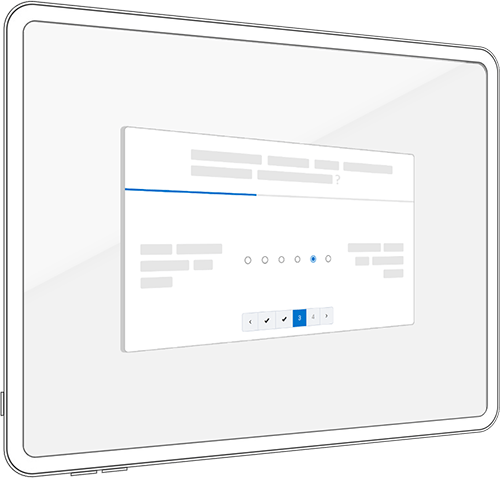
Question preview
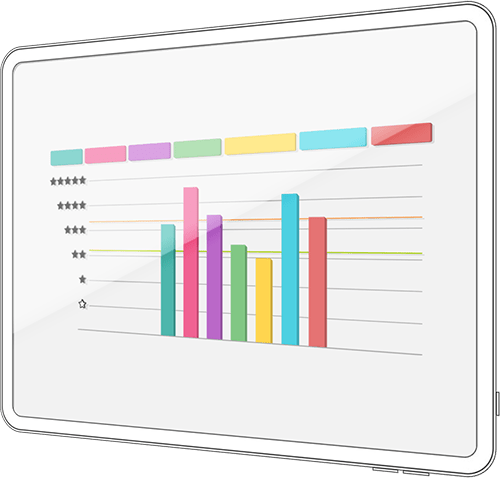
Results preview

This is what you get:

No Payment Required

You can have that extra drink with our free questionnaires and report

Detailed Report

Anyone can grow with an easy to read detailed report

Comprehensive Charts

See yourself as others do with comprehensive charts and graphs

Results Comparison

Discover that you are not alone by comparing your results to others

Optional public results

Share your journey by sharing your results

Know your next step

Get the relations you want with an adaptive action plan

Shared Resources

Become someone others look up to with recommendations based on your results

Recommendations

Curated paid resources to invest in your growth wisely

AI Coaching

AI support to get the most out of your report

Invite Others

Do it together: invite others directly from you results page

Personalized Feedback

Know how you can make friends with personalized feedback

Cheers

Get encouragement from your social circle

Real Insights

Get to know yourself better with input from those who know you

Get notified

Go meet up with your friends we will notify you when your report is updated

Secure Data

Peace of mind, because your data is safe with us

Enhance Your Constructive Criticism Skills

Access insightful data for stronger connections

Your free report provides a transparent and accurate assessment of your constructive criticism skills as they relate to relationship improvement. Detailed charts outline your strengths and identify areas for development, clarifying how your feedback style affects your connections. Personalized explanations translate your scores into practical implications for your relationships and demonstrate how to apply effective constructive criticism techniques.

Additionally, you can compare your results with average scores from other users, offering valuable context and guidance for your progress. This comparison supports setting realistic goals and monitoring your development over time. Your data remains private and secure—you control what to share. Equipped with these insights, you’ll be prepared to foster stronger, more trusting relationships through constructive criticism for enhanced connection.


How Can Comparing Your Results Provide Clearer Direction?

Compare your skill level now

Deepen Your Understanding Through Community Feedback

Use social features to gain broader perspectives

Receiving feedback from others is an effective way to identify blind spots and hidden strengths in your constructive criticism skills. By inviting your partner, friends, or colleagues to share their honest views, you gain insight into how your feedback style is perceived. This external input can significantly support relationship growth by helping you adjust your approach and foster greater empathy, trust, and understanding in your Relations.

Sharing your results (if you choose) can encourage support and engagement from your network. When others provide encouragement or share their perspectives, it builds a sense of community and motivation to continue developing. These diverse constructive criticism examples and viewpoints help transform challenges into opportunities for deeper connection and emotional satisfaction. Each piece of feedback brings you closer to relationships characterized by mutual respect and open communication.


What Insights Will Others Provide About Your Feedback Style?

See how others perceive you

Meet AidOn: Your Personal AI Support (Beta)

AidOn is your AI Development Assisted Navigator, available to help you interpret your results. Ask questions about your report, request personalized insights, and interact with AidOn to better understand your progress.

Imagine having an AI resource ready to assist your growth—AidOn, our AI chat assistant, is designed to support you in this way. After completing the free constructive criticism test, AidOn reviews your results and provides practical, personalized information related to your relationships. Whether you want to address conflicts, offer feedback more effectively, or build trust, AidOn’s responses are tailored to your specific context and objectives.

With AidOn, you receive immediate answers to questions about your report and actionable suggestions you can apply promptly. This ensures you are not left uncertain about next steps—AidOn facilitates turning constructive criticism insights into meaningful progress. The more you engage, the more you learn to apply constructive criticism strategies for couples and friends, making each interaction an opportunity to enhance your connection and communication skills.

Aidan is an AI that's still learning and evolving. While it’s designed to assist you, it may occasionally generate unexpected, unhelpful, or even incorrect responses. We appreciate your understanding as we continue to improve its performance. Please note that we cannot be held responsible for any consequences resulting from Aidan's output, and we recommend exercising your own judgment when acting on the information provided.

How Might Instant AI Support Affect Your Relationships?

Interact with our AI support now

The Importance of Constructive Criticism Skills in Relations

Explore Skills Builder’s approach to fostering stronger, more connected relationships through constructive criticism.

The Importance of Constructive Criticism Skills in Relations

Strong relationships rely on trust, empathy, and open communication. Constructive criticism plays a vital role by enabling mutual growth. When feedback is given and received thoughtfully, it creates space for understanding and deeper connection. However, many find it difficult to express honest thoughts without causing harm or to accept feedback without defensiveness. Constructive criticism skills help transform challenging conversations into opportunities for growth and harmony within your Relations.

Our Mission

Skills Builder aims to equip you with essential skills for your relationships. We believe everyone should have access to tools that facilitate better communication, trust-building, and empathetic conflict resolution. Our platform is designed to make soft skills development straightforward, free, and accessible, allowing you to identify strengths, address blind spots, and grow with confidence. We support your path toward more meaningful and satisfying connections.

Our Vision

We envision a future where everyone can nurture their relationships through effective, supportive feedback. By providing accessible constructive criticism resources, we aspire to foster a world where understanding and respect are standard. Our goal is a global community using constructive criticism insights to enhance communication, strengthen bonds, and achieve lasting emotional fulfillment.

What Sets Us Apart?

Skills Builder distinguishes itself by placing you in control of your development. Our tools are free, multilingual, and open to all—without barriers or hidden fees. We extend beyond self-assessment by incorporating feedback from your partner, friends, or colleagues, offering a comprehensive view of your constructive criticism skills. This method reveals both strengths and areas for improvement, making your growth more precise and rewarding.

We prioritize privacy and trust—your data belongs solely to you, and you decide what to share. Our platform includes a resource library created by users, enabling learning from real experiences and practical advice. You can compare your results with others, track your progress, and access support from our AI assistant, AidOn. These features facilitate turning constructive criticism insights into tangible, positive changes in your relationships.

We focus on growth through constructive criticism, designing tools to help you apply insights immediately. Whether aiming to strengthen romantic partnerships, improve friendships, or enhance workplace connections, our approach is adaptable and user-centered. We are committed to making personal development accessible, supportive, and effective for everyone.

How Our Questionnaire Supports You

Completing our questionnaire is a foundational step toward improved communication and deeper understanding in your relationships. You receive actionable insights, clear feedback, and a plan to enhance your constructive criticism skills for effective communication. Viewing yourself through others’ perspectives uncovers hidden strengths and growth opportunities, fostering greater trust, empathy, and harmony in your Relations. Our approach helps transform feedback into a tool for connection rather than conflict, supporting more fulfilling and joyful relationships daily.

We provide support at every stage, including resources, community engagement, and expert interpretation. Rely on Skills Builder to assist your growth, connection, and well-being across all your relationships.


Support Your Development with Customized Resources

Access practical tools to improve communication

Our support features are designed to assist you in applying constructive criticism skills for effective communication. A clear, step-by-step action plan outlines what to focus on and how to proceed. The checklist guides you through practical exercises, facilitating the formation of new habits that enhance your relationships. Each step emphasizes giving and receiving feedback in ways that build trust, empathy, and understanding.

You also gain access to an expanding library of resources contributed by other users, along with curated product suggestions to support your progress. Whenever additional assistance is needed, our AI chat assistant is available to provide personalized insights and encouragement. These tools collectively support your growth through constructive criticism, turning challenges into opportunities for deeper connection and harmony in your Relations.


What Insights Will Your Action Plan Provide About Your Next Steps?

Access your free action plan now

Questions and answers

Answers to questions we get asked the most

At Skills Builders, we offer free questionnaires and reports to help you understand your strengths and weaknesses based on input from people who know you best. Our insights and personalized feedback will help you uncover hidden talents and weaknesses that you can work on to build a better future for yourself.

You are constantly meeting new people and seeking to make meaningful connections. Our unique questionnaires provide insights that you cannot get from any other questionnaire, and our personalized feedback, action plan, and recommendations will give you the tools to improve your life and relationships.

Choose a questionnaire on a topic that interests you and answer the questions. You will receive a link to your report, which you can share with others to get their input. Your report, feedback, action plan, and recommendations will be updated every time someone provides input about you.

Yes, our questionnaires, reports, and action plans are completely free. We want to help as many people as possible and keep our service accessible to all. The free report provides all the insights you need to grow, but we also offer an optional paid report for those who want more detailed information.

We use your data to provide personalized feedback, action plans, and product recommendations. We depersonalize the data to create general statistics, and we will never sell or share your information with third parties.

We take your privacy and confidentiality seriously and ensure that your data is secure on our platform.

Our questionnaires and support are designed to help you succeed and achieve your goals by improving your skills. We provide detailed reports, actionable plans, and specific recommendations that we believe will make a difference in your life. Other questionnaires often focus on getting your contact information or promoting content.

Our goal is to help you improve your skills and achieve your goals. The questionnaires provide insights into your strengths, weaknesses, and blind spots, which can help you focus your efforts on the areas that will make the biggest difference in your progress.

You can take as many questionnaires as you like, and there is no limit to the number you can take. This service is completely free.

When you receive your report, you can enter the credentials of the people you want input from. We will send them an email with an invitation and link to answer the questions. You can also share a unique link with them through social media or create your own invitation.

While it is not required, we highly recommend inviting others to provide input as it can help you uncover blind spots and validate your beliefs about your performance. The more input you receive, the more accurate your results will be.

You can send reminders to the people you’ve invited every three days, or you can invite more people to provide input. We recommend getting input from at least five people to compensate for any biases any one person might have. Even if you can’t get input from five people, the results can still be valuable, but might be less accurate.

The report you receive will give you a detailed overview of your skills and highlight areas for improvement. You'll see your scores for each subject and question, and receive personalized feedback and recommendations to help you grow.

Your results are completely private and only visible to you. However, if you choose to make your results public, anyone with the link can see them.

We take great care to ensure the accuracy of our questionnaires and regularly consult with experts to ensure our assessments are reliable. If you're concerned about the accuracy of your results, you can disable input from specific people who may have provided inaccurate information.

The free report gives you all the important insights and recommendations you need to improve your skills. The full report includes more detailed information, such as charts and graphs, and is available for those who want to support us and help us grow. Question: How do I co

You can compare your results to the average scores of others who have taken the questionnaire. Additionally, you can apply filters such as gender, age, occupation, or education level to see how you compare to others in those groups.

You'll receive an email notification each time someone finishes answering their questions, but only if you have notifications turned on.

We understand that everyone has their own perception of themselves, but it's important to keep an open mind and use the results as an opportunity for growth. If you feel that someone's input may have affected your results negatively, you can disable their input.

An action plan is a personalized list of actions you can take to improve your skills. It's based on your skill level and the feedback provided in your report. As you complete actions, new ones will be added to help you continue growing.

We provide recommendations for high-quality resources such as articles, books, videos, and courses that can help you develop your skills. These recommendations are regularly updated and added to over time, so be sure to check your report regularly for new suggestions.

Shared resources are valuable insights and tools that others have found helpful in building and nurturing their relationships. By sharing resources that have positively impacted your own relationships skills, you’re contributing to a supportive community focused on personal growth.

308

Questionnaires Online

2.156

Reports Generated

3.624

Times Inputs Given

12.872

Coaching interactions

Send us a message